
SR&ED vs CDAE: How Quebec Innovators Can Maximize R&D Tax Credits
By Engineva Research Team | SR&ED, CDAE, Quebec Funding, Innovation Strategy
Quebec’s Competitive Edge in R&D Funding
Quebec continues to lead Canada in supporting innovation through generous tax credit programs. Two of the most valuable options available to Quebec-based companies are:
Scientific Research and Experimental Development (SR&ED), administered federally by the CRA and provincially by Revenu Québec
Tax Credit for the Development of E-Business (CDAE), administered by Invest Québec
Both provide substantial support, but they target different types of activities. Understanding how they work—and how to use them together—can dramatically increase your total refund.
1 The Nature of the Programs
| Program | Type of Credit | Refundability | Primary Focus |
|---|---|---|---|
| SR&ED | Federal + Provincial R&D tax credit | Refundable for CCPCs | Experimental development and technological advancement |
| CDAE | Quebec provincial tax credit | 30% total (24% refundable, 6% non-refundable under 2024 rules) | Software and digital product development |
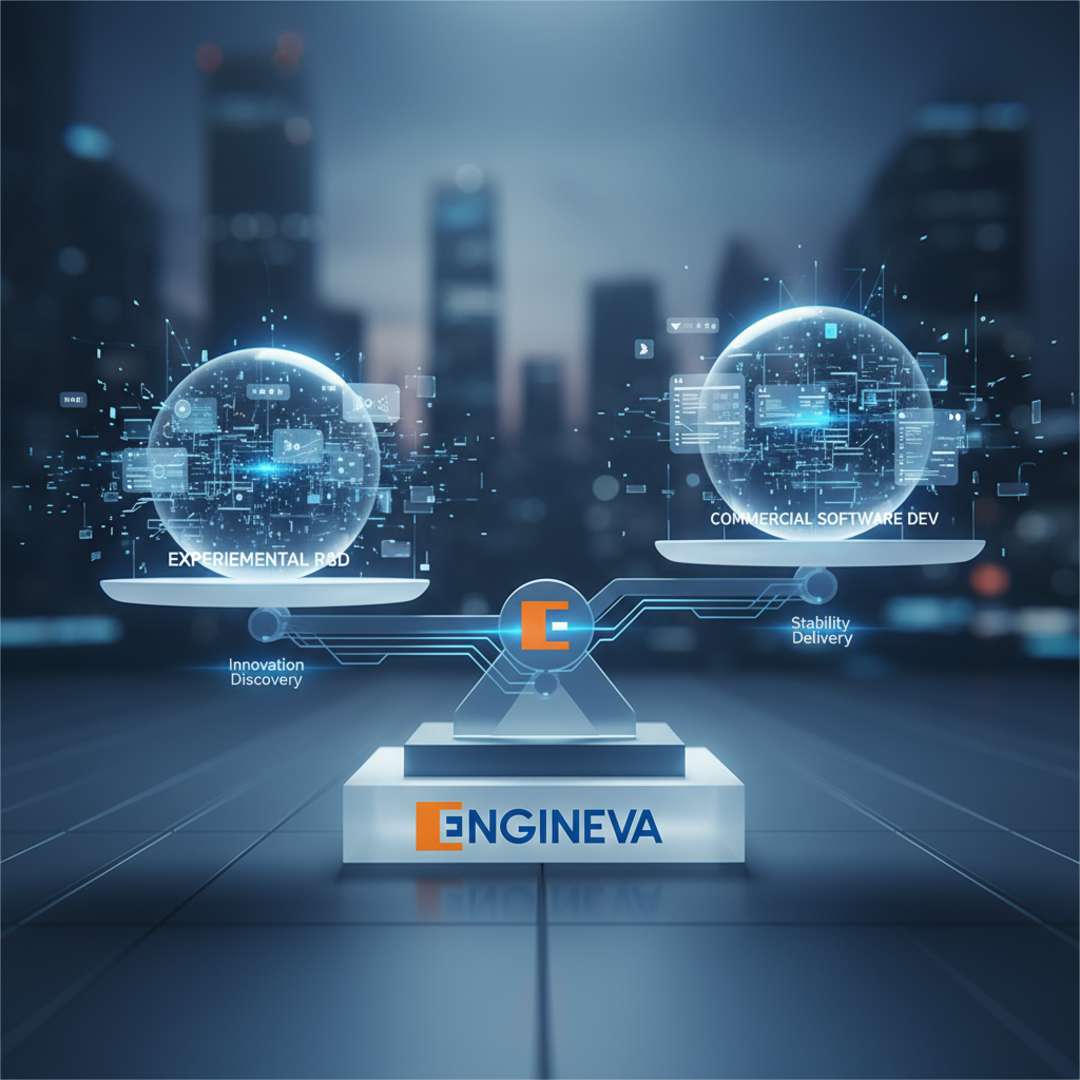
SR&ED is designed for experimental R&D, while CDAE rewards commercial digital development. Many Quebec companies qualify for both programs in the same fiscal year.
2 Who Can Apply
| Program | Eligibility Overview |
|---|---|
| SR&ED | Available to any Canadian business conducting systematic R&D to overcome scientific or technological uncertainties. No minimum revenue or employee requirement. |
| CDAE | Restricted to Quebec-based IT and digital companies. At least 75% of revenue must come from IT activities, and 50% must be tied to software or digital product development. Companies must maintain at least six eligible full-time technical employees. |
Tip: Startups under two years old qualify for CDAE once they reach the six-employee threshold during the claim year.
3 Eligible Activities
| Program | What Qualifies | What Doesn’t |
|---|---|---|
| SR&ED | Experimental development, applied research, or basic research designed to resolve technological uncertainty. | Market research, UI design, feature additions without technical experimentation. |
| CDAE | Software design, testing, and digital platform maintenance tied to e-business operations. | Work involving hardware control, external datasets (like third-party AI models), or non-IT processes. |
In summary:
SR&ED rewards the creation of new knowledge.
CDAE rewards the commercial application of that knowledge in Quebec’s digital economy.
4 Funding Amounts and Rates
| Program | Eligible Costs | Funding Rate | Notes |
|---|---|---|---|
| SR&ED | Salaries, contractors, materials, overhead | Up to 35% federal + 14% Quebec = ~49% total refundable for CCPCs | Higher rates for small private corporations |
| CDAE (2024 rules) | Technical employee salaries (up to $83,333 per eligible employee) | 30% total (24% refundable + 6% non-refundable) | Certificate required from Invest Québec |
| CDAE (2025+) | Same cost base, no salary cap | 30% total, shifting to 20% refundable + 10% non-refundable | New exclusion threshold introduced in 2025 |
Example:
A Quebec SaaS firm with ten eligible employees could earn roughly $250,000 through CDAE and another $180,000 through SR&ED, depending on project scope.
5 Application Process and Deadlines
| Program | Administered By | How to Apply | Deadline |
|---|---|---|---|
| CRA + Revenu | 18 months after fiscal year- |
| SR&ED | Québec | File your SR&ED schedules with corporate tax return | end |
|---|---|---|---|
| CDAE | Invest Québec + Revenu Québec | Apply for company and employee certificates first, then claim via Revenu Québec | 15 months after fiscal year-end for certificate application |
Pro Tip: You must obtain your CDAE certificate before filing your Quebec tax return. Missing this step automatically disqualifies your claim.
6 Using SR&ED and CDAE Together
Yes, you can absolutely claim both—but only if the same salaries and work hours are not double-counted.
Common strategy:
File SR&ED for experimental R&D and new technological methods.
File CDAE for ongoing software maintenance, platform enhancements, and data-driven feature development.
| Example of Allocation | Program Claimed |
|---|---|
| Development of new AI inference model architecture | SR&ED |
| Integration of trained model into SaaS platform | CDAE |
| Backend optimization for performance tuning | SR&ED |
| Frontend maintenance and user-facing improvements | CDAE |
With careful tracking of tasks and timesheets, both credits can be maximized simultaneously.
7 Real-World Example
Company: NovaLogic Technologies Inc.
Sector: Enterprise software and data platforms
Challenge: NovaLogic built an AI-powered analytics module requiring new data streaming algorithms and parallel integration into its SaaS platform.
The AI algorithm R&D qualified for SR&ED due to technological uncertainty in data synchronization.
The platform integration and UI work qualified for CDAE as commercial e-business
development.
Result:
$180,000 recovered through SR&ED
$220,000 recovered through CDAE
Total benefit: $400,000 in non-dilutive funding—enough to fund two new full-time developers for the following year.
8 Looking Ahead: CDAE’s Evolution
Starting in 2025, CDAE will gradually transition to a new framework known as CDAEIA (Credit for the Development of E-Business – Innovation and Automation).
This program will focus more heavily on:
AI-driven automation
Data and analytics innovation
Cloud infrastructure development
Companies working in AI, robotics, or advanced digital manufacturing should expect broader eligibility under CDAEIA beginning in 2026.
9 Strategic Takeaways
Use SR&ED to capture your experimental R&D.
Use CDAE to recover costs from software implementation and maintenance.
Track time and costs at the task level to avoid duplication.
File your CDAE certificate early—it’s mandatory.
Combine both programs for maximum return—up to 70% total recovery in some cases.
Final Thoughts
Quebec innovators have a unique advantage: two overlapping programs that reward both technical discovery and commercial application. Used together, SR&ED and CDAE can fund a significant portion of your R&D roadmap, from experimentation to deployment.
At Engineva, we help Quebec companies design claims that align perfectly with CRA and Revenu Québec expectations—ensuring both SR&ED and CDAE credits are maximized and audit-ready.
📞 Book a consultation to see how your development work can qualify under both programs.
Engineva helps you claim smart and grow confidently.
Disclaimer: This article provides general information only and does not constitute professional tax or legal advice. Consult a qualified SR&ED or CDAE specialist to determine how these programs apply to your situation.